Analysis of Material Selection Issues
For fleet managers and business owners, vehicle branding is one of the most cost-effective forms of mobile marketing. A well-done fleet wrap or graphic package turns every truck, van, and service vehicle into a moving billboard that builds brand visibility daily. However, one age-old dilemma always stands out during fleet upgrades: should you prioritize lower costs or premium quality materials?
Many fleet teams fall into two extreme traps—overspending on high-end materials for short-term campaigns, or cutting corners on cheap vinyl that peels, fades, and ruins brand credibility within months. The truth is, selecting fleet graphic materials is never a simple choice between “cheap” and “expensive”. It’s about matching material quality to your fleet’s usage goals, lifespan expectations, and long-term budget. Today, we break down how to balance cost and quality to pick the perfect materials for your fleet.

The Hidden Costs of Cheap Fleet Materials
Budget-friendly vinyl and low-cost printing materials seem appealing at first glance. They drastically reduce upfront investment, making them ideal for businesses looking for quick, one-off branding solutions. But low-tier fleet materials come with hidden long-term expenses that quickly erase initial savings.
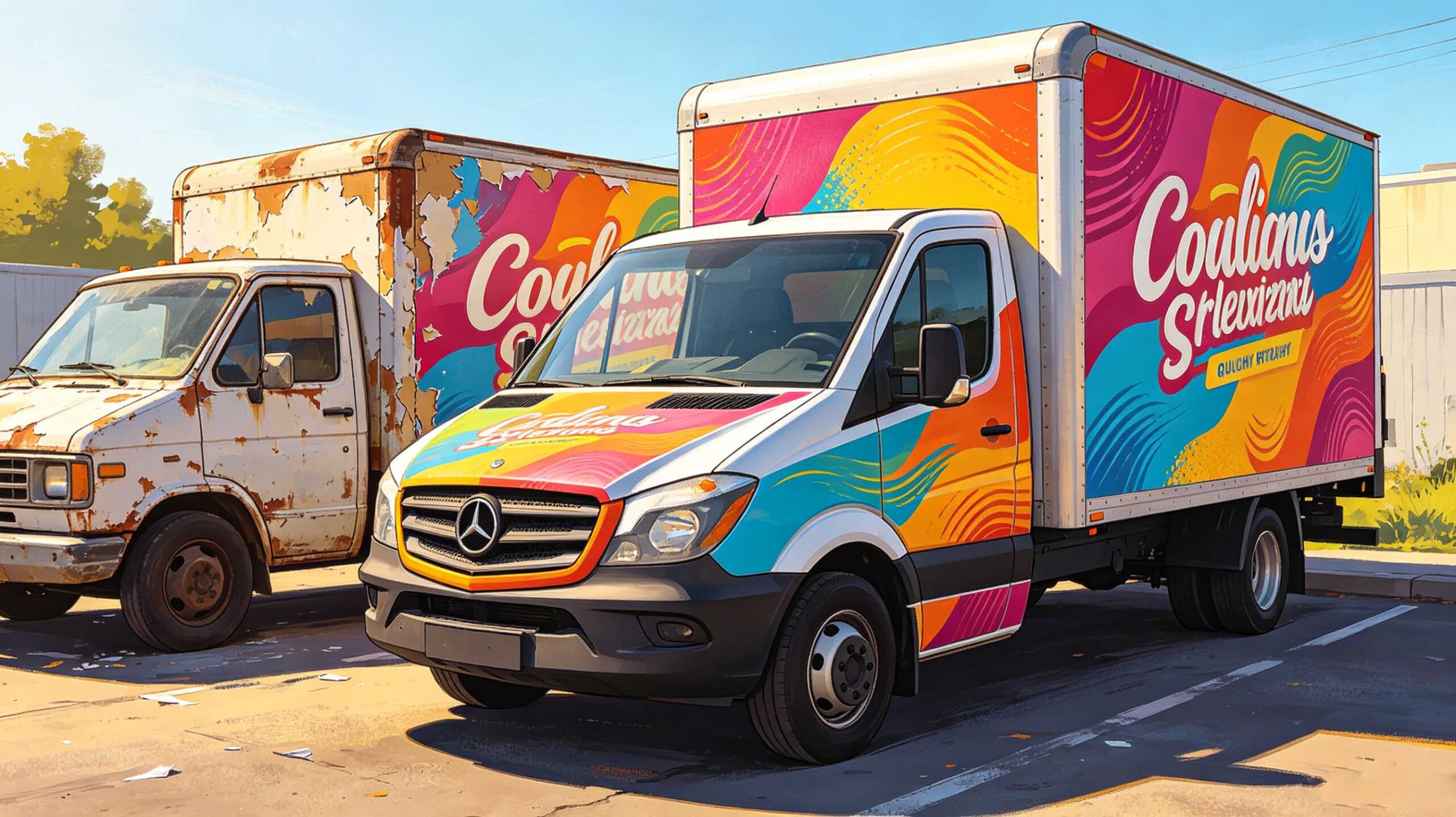
First, poor durability leads to frequent replacements. Economy-grade vinyl, uncoated films, and low-quality inks are not engineered for harsh road conditions. Constant exposure to UV rays, rain, snow, road salt, dust, and high-speed wind friction causes rapid fading, peeling, cracking, and bubbling. For fleets operating daily, cheap wraps may start deteriorating in 6–12 months, requiring full or partial reprints and reinstallations.
Second, subpar materials damage your brand image. Faded graphics, peeling edges, and discolored text make your business look unprofessional, unreliable, and unpolished. For service, logistics, and delivery fleets that interact with customers face-to-face every day, a shoddy vehicle appearance directly weakens customer trust and brand reputation.
Finally, low-quality materials mean higher labor costs. Cheap vinyl is thinner, less flexible, and harder to install smoothly, leading to more wrinkles and alignment errors. It also tears easily during removal, leaving stubborn adhesive residue that requires extra cleaning labor and time. Over two to three years, the total cost of cheap materials often far exceeds investing in premium options upfront.
The True Value of Premium Fleet Materials
High-quality fleet graphic materials—including cast vinyl, premium laminated films, UV-stabilized inks, and eco-friendly coating solutions—come with a higher upfront price tag, but they deliver measurable long-term value for fleets of all sizes.
The biggest advantage is extended service life and consistent performance. Professional-grade cast vinyl is engineered to stretch perfectly over complex vehicle curves, resist extreme weather, and block harmful UV radiation. Paired with high-gloss or matte laminates, premium materials can maintain vibrant colors, sharp details, and a smooth finish for 5–7 years, even for high-mileage commercial fleets. This eliminates frequent replacement cycles and reduces ongoing maintenance work.
Premium materials also offer better versatility and customization. Top-tier printing substrates support advanced design trends, including color-shifting effects, textured finishes, reflective accents, and AR-compatible graphic layouts, without compromising print clarity. They adapt perfectly to full wraps, partial decals, lettering, and safety branding, meeting both marketing and operational needs.
Additionally, high-quality materials support cost sustainability. Durable, reusable, and recyclable premium vinyl reduces material waste from repeated re-wraps. Most premium options also use low-VOC, water-based inks, helping businesses meet environmental compliance standards and enhance their green brand image—an increasingly critical factor for modern consumers and corporate partnerships.

Cost vs Quality: How to Choose Based on Your Fleet Needs
The best fleet material strategy is not “always buy premium” or “always stick to budget options”. It’s strategic tiered selection based on your fleet’s service life, usage scenario, and branding goals. Below is a practical decision framework for every fleet manager:
1. Choose Budget-Grade Materials for Short-Term Campaigns
Economy calendared vinyl and standard inks are perfect for temporary marketing activities, seasonal promotions, short-term fleet rentals, or trial branding projects with a 6–18 month timeline. These affordable materials deliver clean, clear graphics for limited-time use, avoiding unnecessary overinvestment for temporary needs.
2. Opt for Mid-Tier Materials for Standard Commercial Fleets
For most small-to-medium business fleets with a 3–4 year service cycle, mid-tier vinyl with standard lamination is the sweet spot. It balances affordable pricing with solid durability, resisting daily wear and tear, mild weather changes, and regular washing. This option covers daily operational needs while avoiding excessive upfront costs.
3. Invest in Premium-Grade Materials for Long-Term Fleet Assets
For full-time logistics fleets, long-term company vehicles, premium service fleets, and brand flagship vehicles, premium cast vinyl and industrial-grade inks are non-negotiable. These vehicles represent your brand long-term and endure daily high-mileage travel and harsh outdoor conditions. The long lifespan, superior finish, and zero frequent maintenance make premium materials the most cost-effective choice over time.
Key Material Selection Tips to Maximize ROI
Beyond tiered material selection, these actionable tips will help you perfectly balance cost and quality for your fleet graphics:
- Prioritize lamination over ultra-thick vinyl: A high-quality laminate layer protects against scratches, UV fade, and water damage more effectively than overpriced thick vinyl, at a lower incremental cost.
- Match ink quality to your climate: Fleets in sunny, high-temperature regions need UV-resistant inks; fleets in rainy, snowy areas require water and salt-resistant ink coatings to prevent deterioration.
- Avoid over-specification: Don’t pay for industrial-grade 7-year materials if you update your fleet branding every 2 years. Tailor material lifespan to your update cycle to eliminate wasted budget.
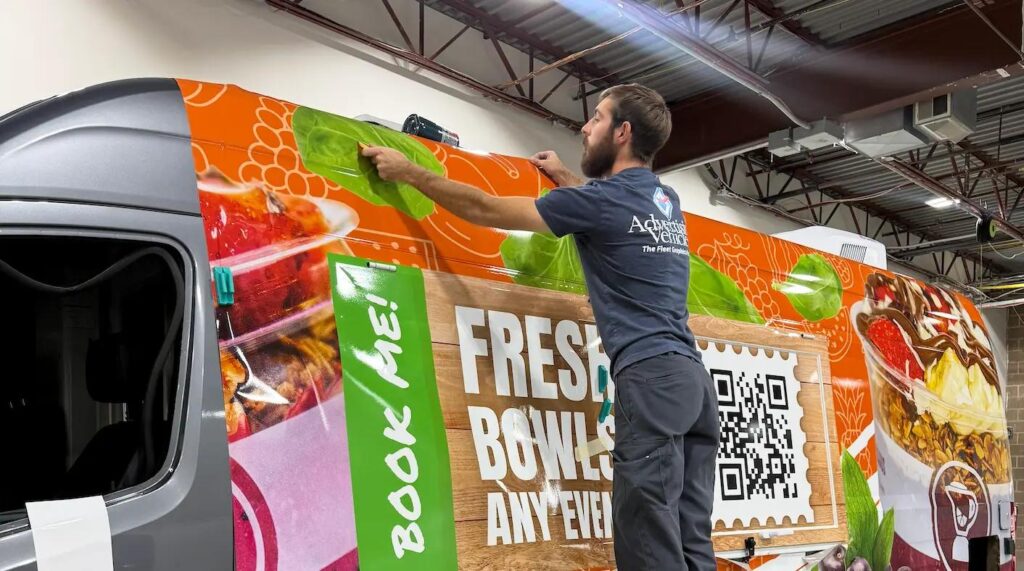
- Never skip professional installation: Even premium materials fail quickly with poor installation. Skilled fitting prevents bubbling, peeling, and misalignment, protecting your material investment.
Final Thoughts
When it comes to fleet graphic materials, cost and quality are not opposing forces—they are complementary tools for maximizing your fleet marketing ROI. Cutting corners on quality only leads to repetitive costs and brand damage, while blind overspending on premium materials wastes budget on unnecessary performance.
The smartest fleet strategy is simple: invest in quality where it matters most, and save on materials for short-term, low-stakes use. By aligning your material choices with your fleet’s operational timeline, usage environment, and brand goals, you can build durable, eye-catching, and cost-efficient fleet branding that works hard for your business year after year.
Related Product Resources
Explore materials and custom manufacturing options: Reflective Decals | Vehicle Wrap and Graphics.