Fleet Signage That Drives Real Lead Generation: Design Guide
As a vehicle branding specialist who has designed and applied hundreds of commercial wraps, I often see business owners make the exact same costly mistake: treating their company vehicles like rolling art galleries rather than targeted marketing channels.
Visibility alone doesn’t guarantee new business. Hundreds of motorists might spot your van daily, but if they can’t instantly decipher what you offer or remember how to contact you, that impression is lost. To build a high-converting vehicle marketing campaign, you must design fleet signage with a single-minded goal: turning quick visual impressions into measurable lead generation.
Here is how we turn everyday commercial vehicles into reliable, high-converting customer acquisition tools.
1. Prioritize Instant Recognition in Fleet Signage
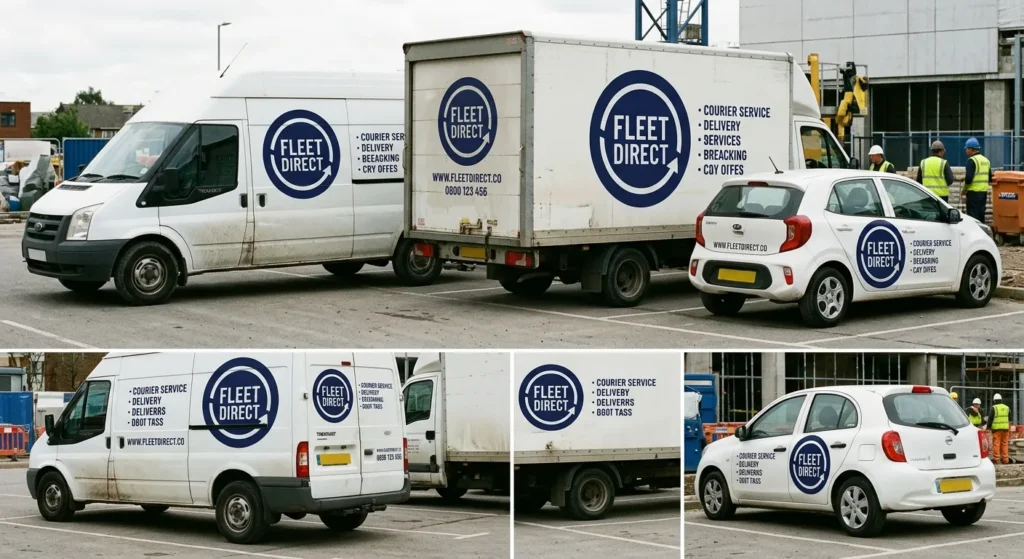
Before your fleet signage can generate a steady stream of customer enquiries, it has to be instantly recognized on the road. Drivers and pedestrians only have a split second to register your vehicle graphics.
Avoid Clutter: Overly complex background graphics look striking on a screen, but they obscure critical contact details in active traffic.
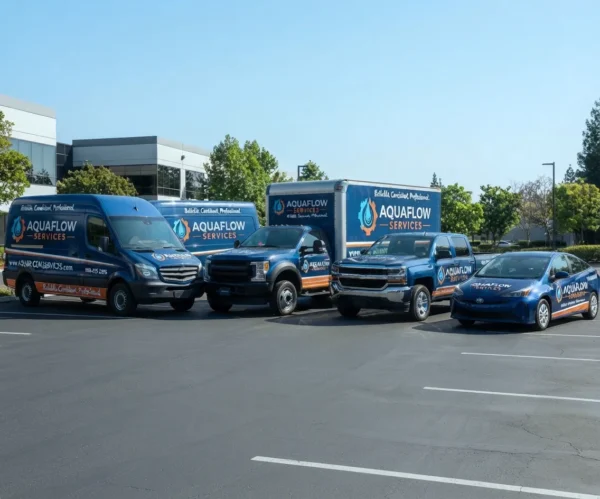
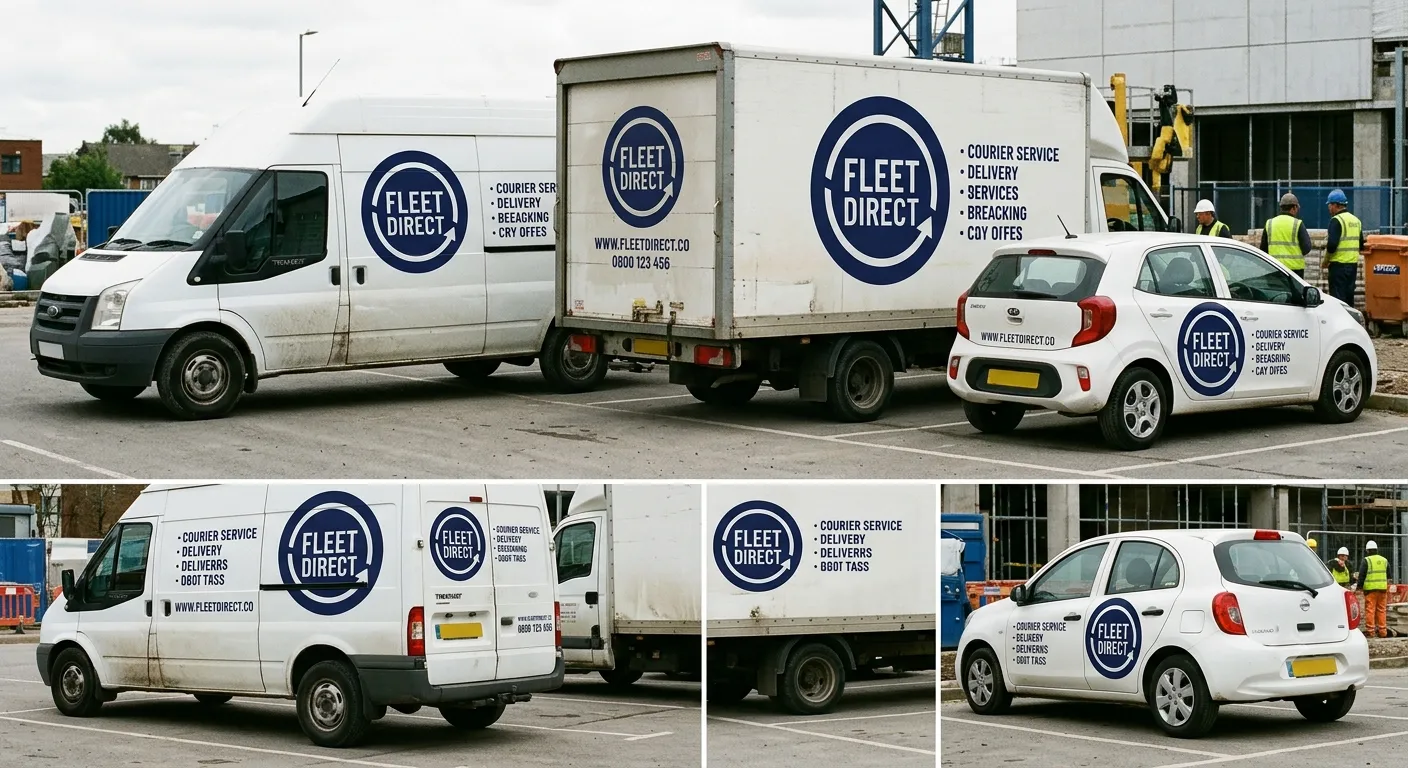
Maintain Visual Consistency: Whether you operate a single transit van, a box truck, or a compact delivery hatchback, keep your color schemes and logo placements uniform across every vehicle.
Create Contrast: Protect key details from panel gaps, door handles, and body contours by using high-contrast typography.
2. Establish a Clear 3-Layer Hierarchy for Fleet Signage

When a vehicle is in motion, a crowded layout becomes a blur. Effective fleet signage follows a distinct three-tier visual hierarchy:
- Who You Are (Layer 1): A high-contrast, bold logo that establishes instant brand identity.
- What You Do (Layer 2): A clear, concise line defining your primary service offering (e.g., Gourmet Catering or Emergency Plumbing).
- How to Respond (Layer 3): A single, highly visible call to action—such as an easy-to-remember URL or dedicated phone number.
If every line of text is the same size, nothing catches the eye. Keep the hierarchy bold and clean so viewers digest the information effortlessly.
3. Test Fleet Signage for Distance and Motion
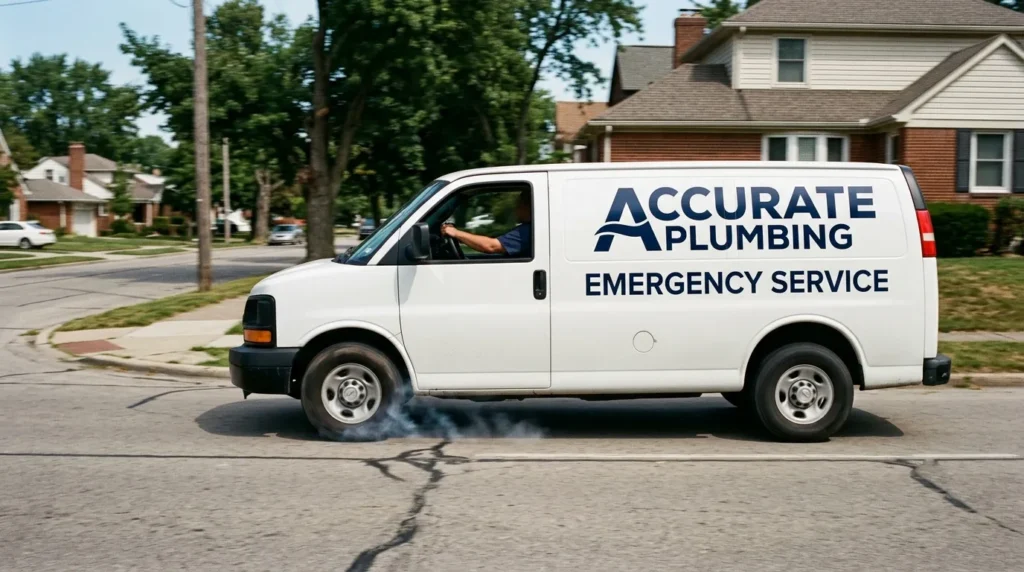
A design proof on a computer monitor never matches real-world driving conditions. Before approving final production proofs, conduct simple field tests:
- The Cross-Street Test: Zoom out on your design mockup until it matches the scale of a vehicle seen from across a street. If the brand name disappears, it’s too small.
- The 3-Second Rule: View the design layout for three seconds, cover it, and note what information stays in your memory.
Your primary message should remain fully legible from a distance—even when driving past residential neighborhoods or high-speed highway traffic.
4. Track Results and Maintain Professional Standards
To prove that your fleet signage actually powers continuous lead generation, you need clear tracking mechanisms:
- Dedicated URLs/Landing Pages: Use a memorable campaign URL specifically printed on your fleet vehicles.
- Call Tracking: Assign unique tracking phone numbers exclusive to your vehicle graphics.
- Enquiry Fields: Ensure online forms ask new clients, “How did you hear about us?”
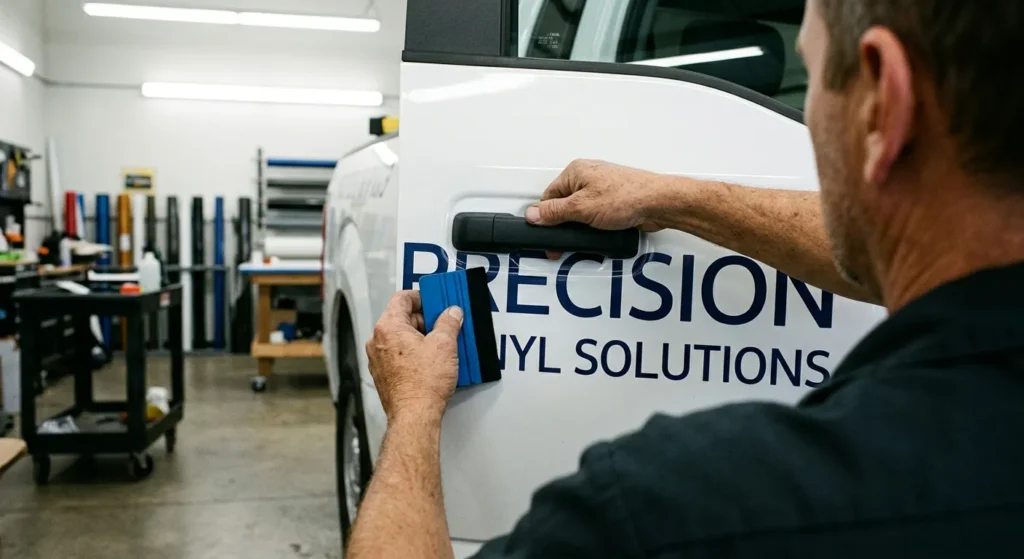
Finally, remember that quality installation directly affects long-term customer trust. Peeling edges or misaligned graphics project negligence. Premium vinyl application—tailored precisely around body contours, door handles, and seams according to official 3M Commercial Graphics Standards—ensures your vehicles communicate quality, reliability, and confidence for years to come.e.
If you are ready to transform your commercial vehicles into continuous lead-generating assets, visit our Fleet Branding Consultation Page to schedule a custom design review.