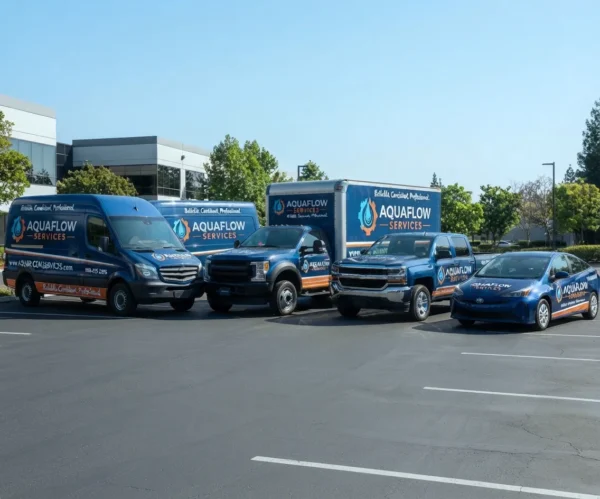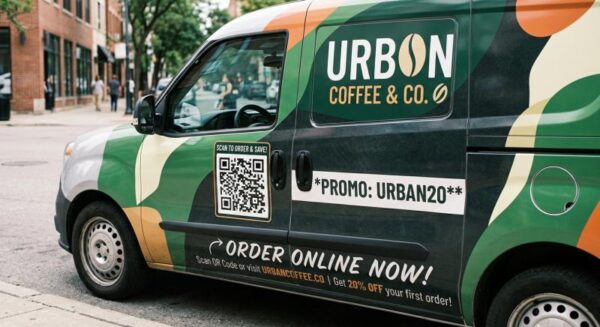
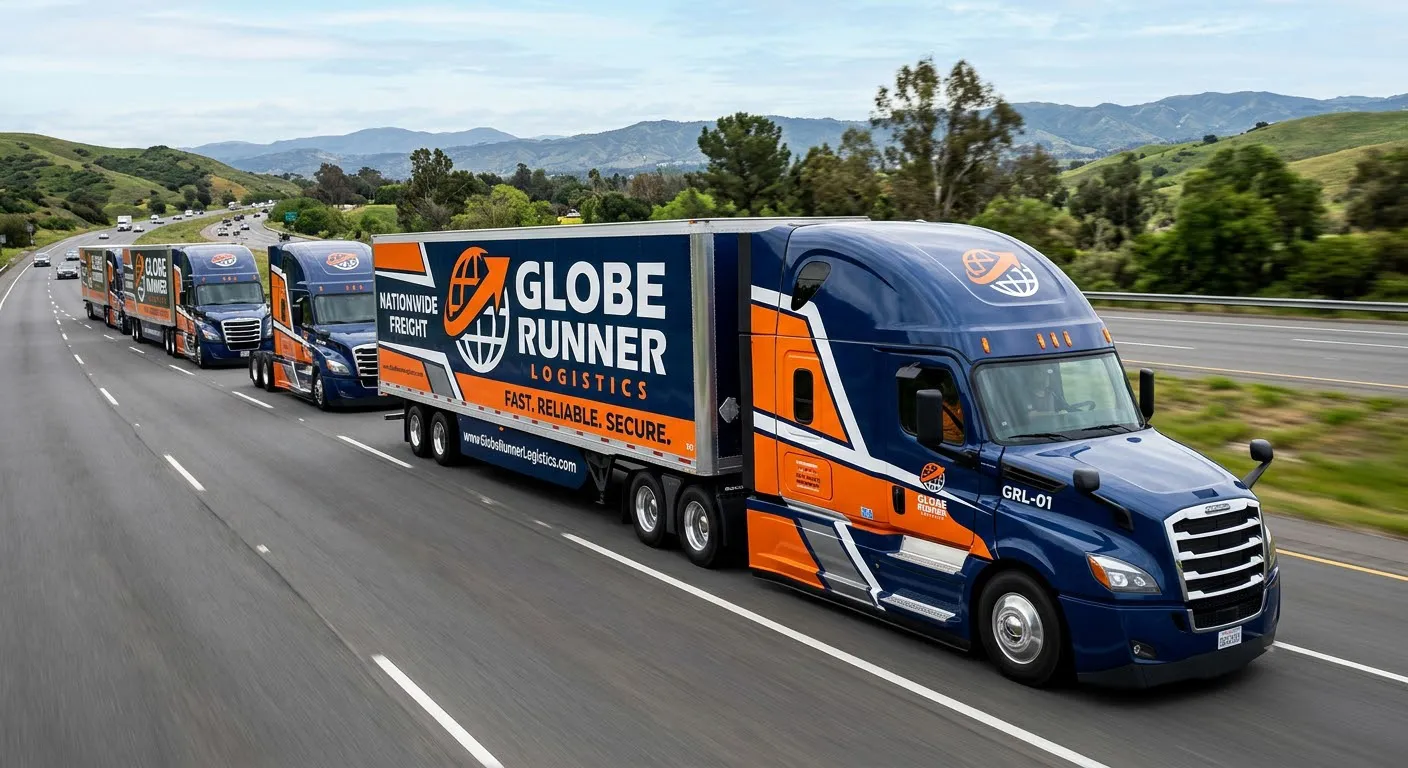
As a veteran automotive wrap blogger with over a decade of fleet advertising experience, I have witnessed countless businesses make the same devastating mistake. They invest thousands of dollars into a breathtaking graphic design, only to ruin the entire project by cutting corners on their material choices. When it comes to a commercial fleet wrap, the durability and premium look of your mobile billboard depend entirely on strategic vinyl selection. Choosing the wrong material can lead to early peeling around rivets, severe color fading under the sun, and even permanent damage to your vehicle’s factory paint. In this professional guide, we will break down the exact technical standards you must consider to maximize your advertising ROI and keep your fleet looking flawless for years.
Cast vs. Calendered: The Ultimate Material Showdown
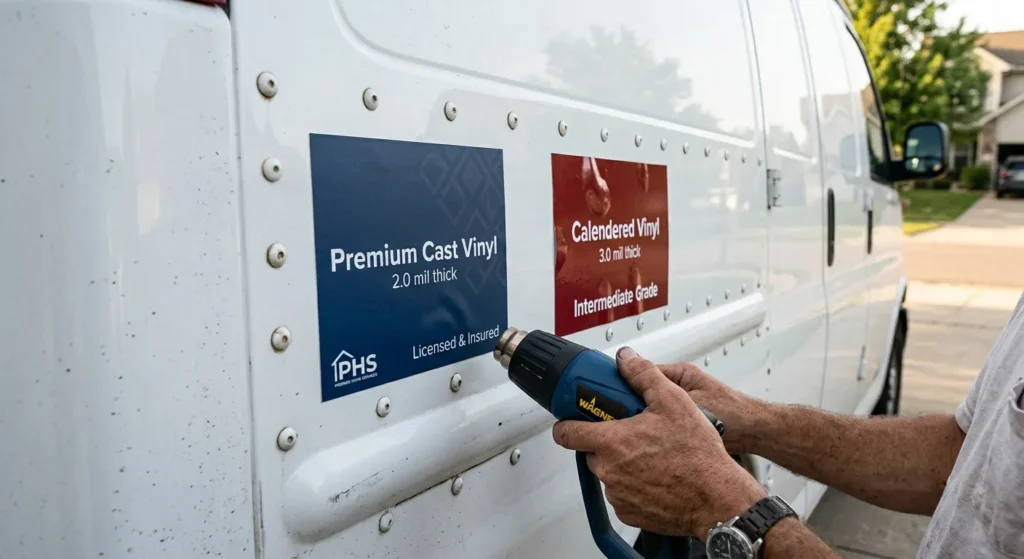
Before approving a production proof, you must understand that not all vinyl films are created equal. The industry divides wrapping materials into two primary categories: Cast vinyl and Calendered vinyl.
For commercial transit vehicles, making the correct choice here will determine whether your investment lasts for seven years or fails within seven months.
| Material Property | Cast Vinyl (Premium Standard) | Calendered Vinyl (Intermediate) |
| Manufacturing Process | Liquid poured into a mold (Zero structural memory). | Heated plastic rolled through rollers (Retains memory). |
| Thickness | Extremely thin and conformable (2.0 mil average). | Thicker and more rigid (3.0 – 4.0 mil). |
| Best Used For | Complex surfaces, rivets, deep recesses, full wraps. | Flat surfaces, box trucks, short-term promotional decals. |
| Lifespan Under UV | 5 to 7+ Years (No shrinkage) | 1 to 3 Years (Prone to edge shrinking). |
3 Critical Factors for Strategic Vinyl Selection
To ensure your fleet wrap project stands the test of time and drives high local conversions, your procurement team must analyze three core technical variables during the initial planning phase. For detailed raw material metrics and warranty data, you can always cross-reference industry standards directly on 3M Commercial Graphics.
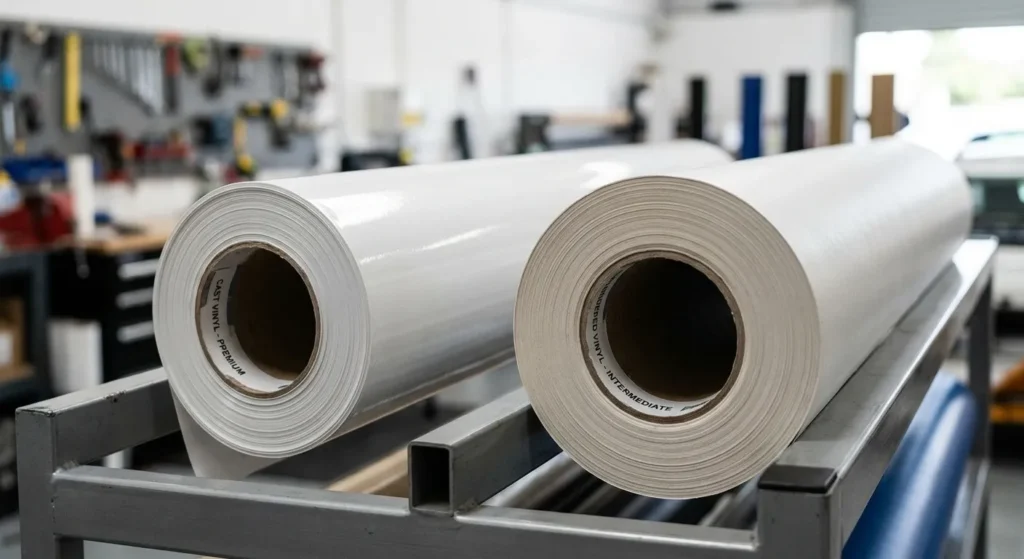
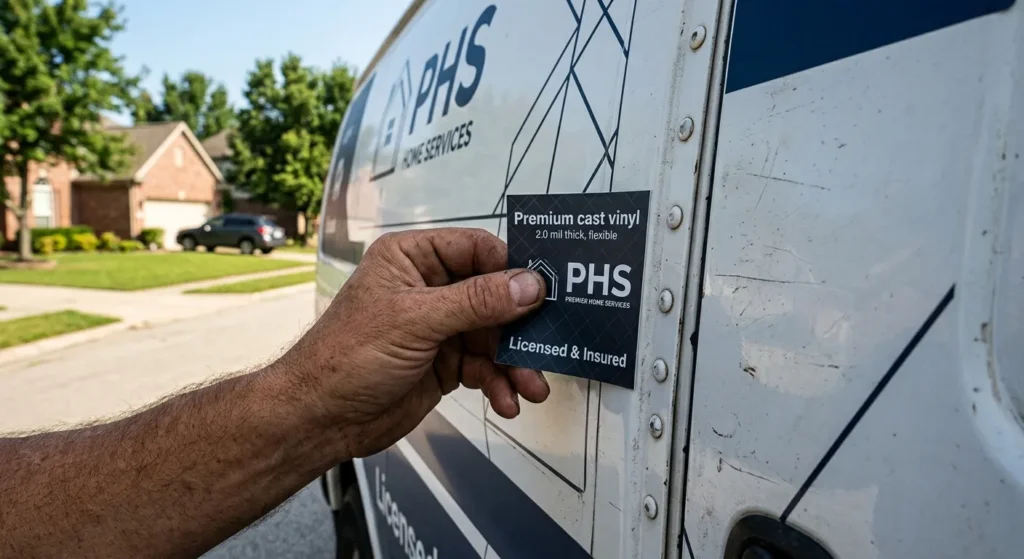
1. Surface Complexity and Vehicle Contours
Standard transit vans, delivery trucks, and service vehicles are full of complex architectural obstacles. They feature hundreds of raised rivets, deep door channels, sliding window tracks, and curved tail-light housings.
Because cast vinyl has no structural memory, installers can heat-mold it seamlessly around these contours without worrying about the material lifting later. Conversely, using a cheap calendered film on a complex van panel will cause the edges to shrink, pull back, and trap dirt within a few months.
2. Adhesive Technology and Air Release Channels
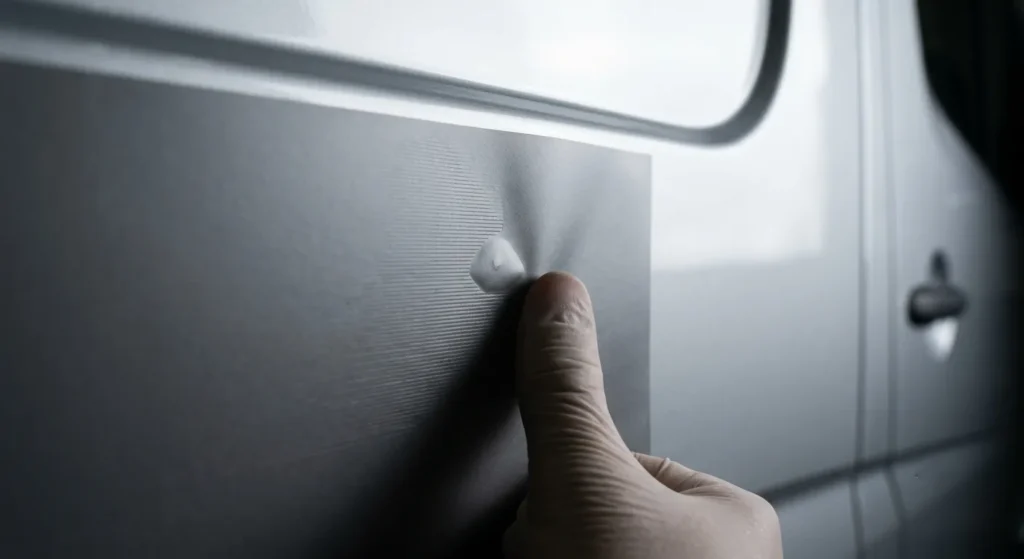
A high-converting commercial wrap must look exactly like a custom factory paint job up close. Therefore, premium vinyl selection must look for micro-replicated air release channels (such as 3M Comply or Avery Easy Apply RS technologies).
These invisible micro-grooves allow air to escape easily during installation. Consequently, this completely eliminates ugly air bubbles and allows the installation team to reposition the panels flawlessly for perfectly aligned graphics.
3. Overlaminate Protection Against Environmental Wear
Never let a print facility install raw, unprotected vinyl on your commercial vehicles. Heavy UV exposure, highway road salt, micro-abrasions from automated car washes, and daily weather grit will quickly degrade your printed graphics.
Always pair your base film with a matching premium cast overlaminate (available in gloss, satin, or matte finishes). This clear protective layer shields your brand colors from fading and preserves the razor-sharp clarity of your marketing text.
Designing Your Fleet Wrap for Maximum Lead Generation
From a local marketing perspective, your target audience only has about 2.5 to 3 seconds to process your rolling message on a busy highway. If your design is overcrowded or uses low-contrast fonts, your conversion rate will plummet.

The 3-Step Readability Checklist:
- Keep Text Above the Mud Line: Always position your phone numbers, website links, and logos on the upper two-thirds of the panels. Otherwise, winter slush and road grime will completely obscure your information.
- The Three-Element Rule: Do not list every service you offer. Your mobile billboard needs exactly three elements: a highly recognizable brand logo, a three-word core value proposition, and a bold call to action (such as a clean web URL).
- Check Your Contrast: Ensure your contact details pop instantly against your background. For example, if you are utilizing a modern matte charcoal background with subtle ghost textures, your text should feature a striking metallic gold or a crisp white gradient.
Ready to Transform Your Fleet into a 24/7 Lead Machine?
Executing a flawless, high-volume commercial vehicle campaign requires a perfect balance between technical precision and bold design psychology. If you are ready to explore your options or need expert guidance on matching your fleet type with the correct coverage level, read our comprehensive guide on Full vs. Partial Wraps to optimize your current marketing budget.
Get a Free Expert Consultation Today:
Don’t leave your local brand authority to chance. [Click Here to Contact Our Certified Fleet Wrap Experts] today for a personalized material audit, customized digital mockups, and a detailed ROI breakdown for your commercial vehicles!